
Was that approved?
White Lotus bittered the piña colada.

Yes, this post will contain White Lotus spoilers.
Do you love the White Lotus, like I do? Episode 8 was a good one. (The Carrie Coon monologue!!) But while the world watched poison piña coladas blending, I saw something else: that Bosch logo.
What did Bosch know?
Bosch claims that they didn’t place the product, which I half believe. (It’s not even available in North America, they say, highlighting that the production team must have bought it in Thailand.)
Consider the Pina Colada CoffeeMate creamer - that suddenly made sense to customers and CoffeeMate alike after Sunday night.
Either way, Bosch - like the rest of us - certainly didn’t know how the blender would be used in that final episode. Consider this: the blender had shown up before—but this was the first time the logo was front and center, in a moment that no one could miss.
Whether Bosch knew or not, one thing is certain: that’s not an accident.
That’s how creative production and brands work.
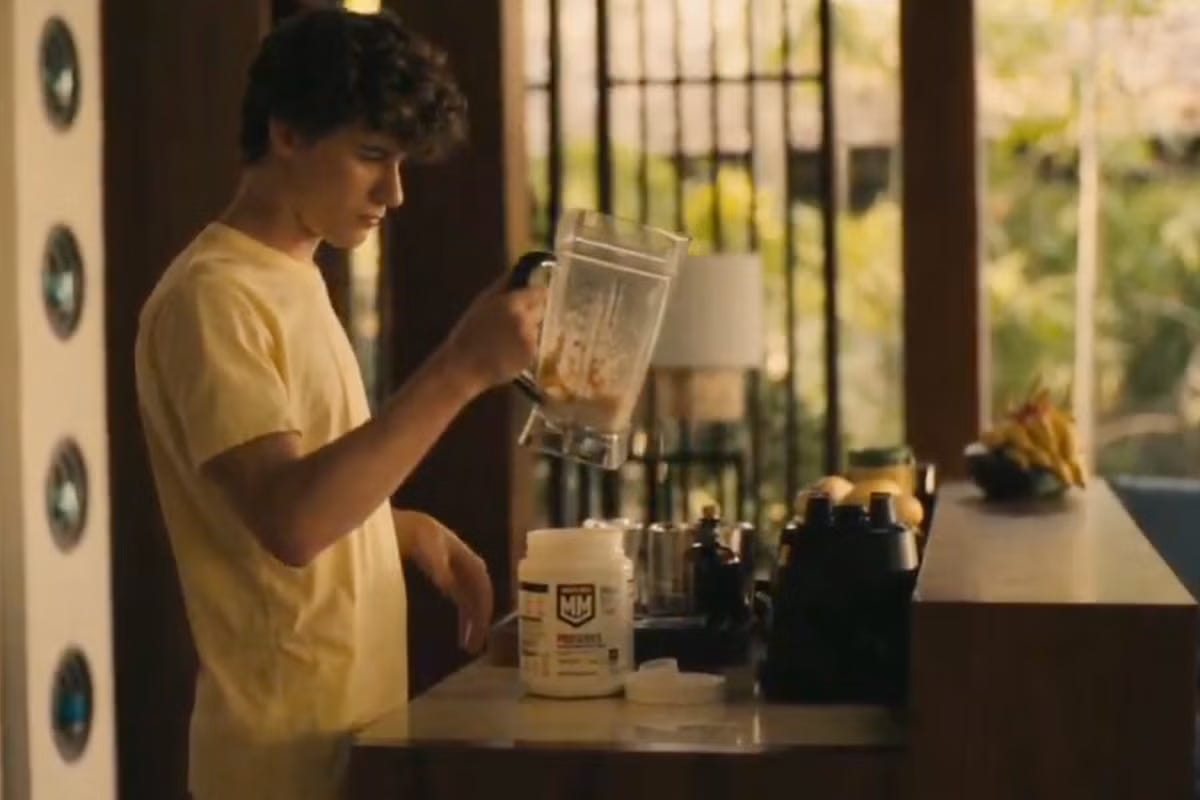
Product placement is now underwriting nearly all of our entertainment.
TV, film, music videos—you name it. Once you start clocking the brands, you’ll see them everywhere. A can of LaCroix on a reality show counter. A BMW gliding through a moody thriller. A pair of Beats headphones in a gritty coming-of-age film. Brands are in the background, but make no mistake—they’re part of the script.
And with that visibility comes risk.
Creative License = Loss of Control
When you sign up for a product placement, you’re stepping into someone else’s story. You’re not writing the script—you’re handing over the keys. Sometimes that means the product is used beautifully, lit with cinematic glow. And sometimes it means your blender is tied to an ominous character arc.
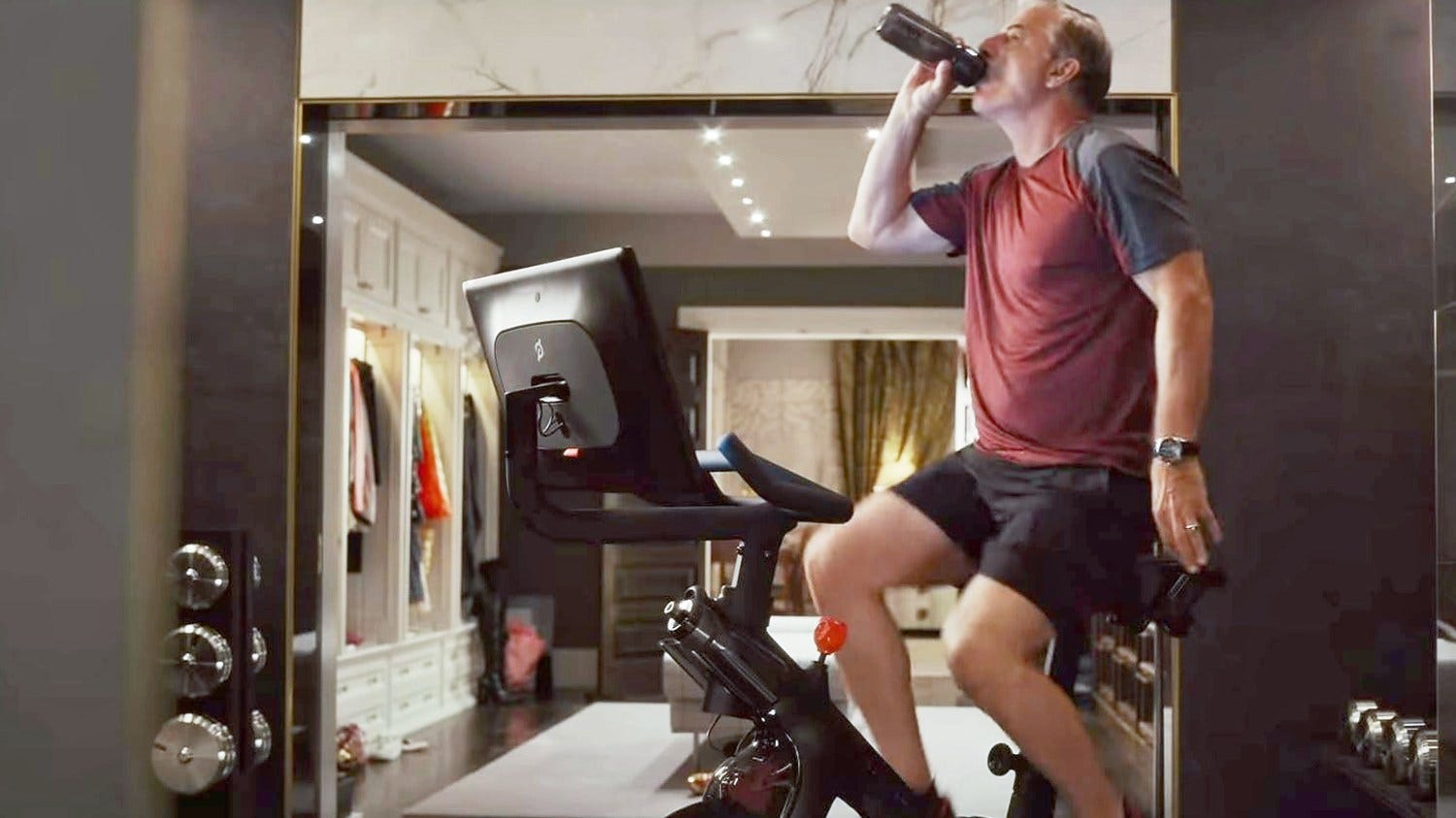
Remember *And Just Like That* and the Peloton moment? A major character dies of a heart attack post-ride. It’s safe to assume Peloton didn’t get a heads-up about that plotline. But they agreed to the placement. They got relevance—just not the kind they bet on.
These are not edge cases. These are the risks you take when you enter the content sandbox. Because you’re not just building one—you’re agreeing to play in someone else’s.
Best Practices for a World Where Your Brand Might End Up in a Murder Scene
If you're thinking about placing your product in entertainment content—or you already are—here’s what you need to keep in mind:
Know Your Why
Are you after cultural relevance? Internal buzz? A PR win? Be crystal clear on what success looks like - and be ready to measure.
Prepare for the Worst
What if your product is used in a violent scene? Or by a villain? Have a comms plan in place before you say yes. Not after. (This includes a plan for your boss.)
Define Creative Boundaries
Be realistic. You can’t micromanage the storyline. But you can set parameters for how and where your product is used.
Loop in Legal Early
Your marketing lawyer is your unsung hero. (I can’t believe I’m writing this, as someone married to a marketing lawyer. Hi honey!) They’ll help you understand the exposure, write in protections, and be there if things get messy.
What Story Is Your Product Actually Telling?
Chasing cultural relevance is tempting. Sometimes it’s worth it. But the smartest brands aren’t just asking how they’ll show up on screen.
They’re asking why.
They’re aligning the placement with a broader brand narrative—and being brutally honest about the risks.
Because when that logo hits the screen, it’s not just your product on display. It’s your brand story, your team’s decision-making, your CEO’s inbox.
If you want the spotlight, make sure you’re ready for the plot twist.
Have a favorite (or cringe-worthy) product placement moment?
Drop it in the comments or hit reply—I’d love to feature some picks in a follow-up.